

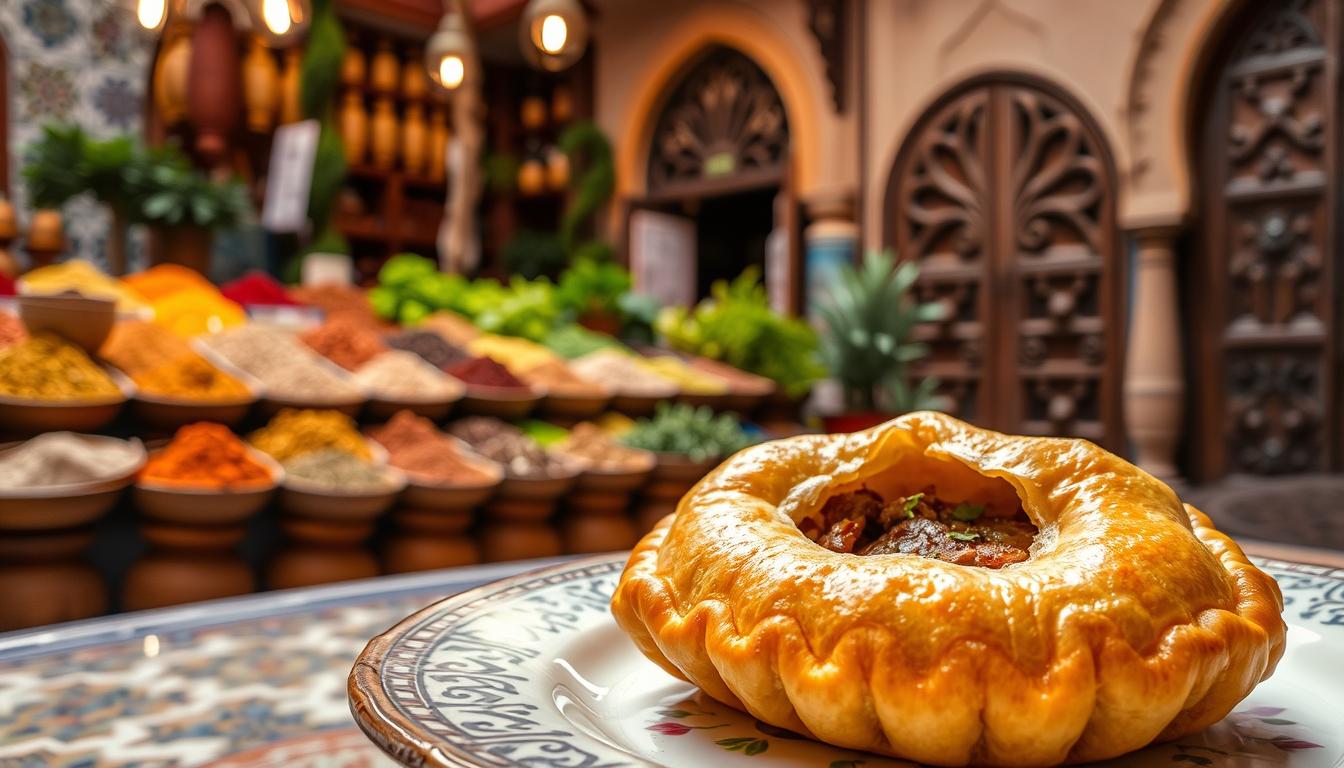
What makes Moroccan cuisine so special? How can you make savory pastries like Moroccan Briouat at home? Exploring Moroccan Briouat reveals its cultural importance and tasty ingredients. This flaky pastry is a key part of North African cuisine.
Making the perfect Moroccan Briouat is an art. It combines simple ingredients for a memorable taste. Whether you’re a pro chef or just starting, Moroccan Briouat will excite your senses.
Introduction to Moroccan Briouat
Making Moroccan Briouat takes about 30 to 60 minutes, similar to tagines. But the result is worth it. You’ll enjoy Moroccan flavors in your own kitchen.
Table of Contents
What Are Moroccan Briouat?
Moroccan Briouat is a traditional pastry from the 13th century. It’s a key part of North African cuisine. You can find many appetizer recipes that use Briouat. A cooking tutorial can help you make this tasty pastry.
Exploring Moroccan cuisine, you’ll see Briouat is more than just a snack. It’s a big part of the country’s culture.
Definition and Origin
Briouat is a flaky pastry filled with meat, cheese, and spices. It has its roots in the 13th century. Now, it’s a big part of Moroccan cuisine.
Types of Briouat
There are many types of Briouat, sweet and savory. You can fill it with chicken, beef, or veggies. It’s a great appetizer for any event.
Cultural Significance
Briouat is very important in Moroccan culture, like during Ramadan. It’s often eaten as a snack or appetizer. Making Briouat is seen as an art in North African cuisine. By following a tutorial, you can make this delicious pastry and enjoy Moroccan flavors.
Key Ingredients in Moroccan Briouat
Moroccan Briouat is a tasty pastry made with crispy filo dough and a flavorful filling. The filling can be different, but it usually has meat, cheese, and veggies. You’ll need phyllo dough to make this pastry.
To make Moroccan Briouat, layer the phyllo dough with your filling. Then, bake or fry it until it’s golden. This makes a crispy, tasty pastry great for appetizers or sides. Common fillings include meat, cheese, and veggies, seasoned with spices like cumin and ginger.
- Meat (such as beef or chicken)
- Cheese (such as feta or goat cheese)
- Vegetables (such as onions, bell peppers, and tomatoes)
- Spices (such as cumin, cloves, and ginger)
With these ingredients and an easy recipe, you can make delicious Moroccan Briouat. It has crispy filo dough and a flavorful filling.
How to Prepare Moroccan Briouat
Preparing Moroccan Briouat needs care and precision. You’re about to start a cooking tutorial on traditional Moroccan cuisine. First, make the dough with flour, water, and oil. This dough is key for your savory pastries.
After making the dough, start putting the Briouat together. Place a bit of filling, like meat or cheese, in the dough’s center. Then, fold the dough into a triangle or square. It’s important to seal the dough well to keep the filling inside.
You can cook your Briouat by baking or frying. Baking is healthier. If frying, use good oil to avoid burning.
Here are some tips for making Moroccan Briouat:
- Use fresh spices and herbs for the best taste.
- Don’t overwork the dough to keep it soft.
- Try different fillings and seasonings to find your favorite.
Serving Suggestions
When serving Moroccan Briouat, traditional accompaniments enhance its flavors. It’s often enjoyed with mint tea, balancing its savory taste. In North African cuisine, olives are a common side, adding a salty tang.
For a simple dish, try a salad with tomatoes, cucumbers, and peppers. This salad lightens the pastry’s richness. You can also pair Briouat with dips like hummus or baba ganoush for extra flavor.
Here are tips for a beautiful presentation:
- Use a decorative plate or platter for color and texture.
- Garnish with fresh herbs like parsley or cilantro for a fresh taste.
- Serve with bread or crackers for scooping the filling.
Follow these suggestions for a dish that’s both delicious and attractive. Briouat makes a great appetizer or main course, impressing your guests.
| Traditional Accompaniments | Easy Recipe |
|---|---|
| Mint tea | Tomato and cucumber salad |
| Olives | Hummus or baba ganoush |
Variations of Moroccan Briouat
Exploring traditional Moroccan cuisine, you’ll find many tasty briouat variations. These savory pastries are a big part of Moroccan food. They come in sweet and savory types, with fillings and cooking methods that vary.
Savory briouat can have chicken, lamb, shrimp, cheese, lemon, or spinach inside. They’re wrapped in crispy filo dough and often fried or baked. Sweet briouat, on the other hand, are filled with almonds and soaked in honey syrup.
Regional differences also shape briouat. Some places add more spices like cinnamon, cumin, and coriander. This gives their briouat a special taste. Local ingredients and cooking methods also create unique versions of these pastries.
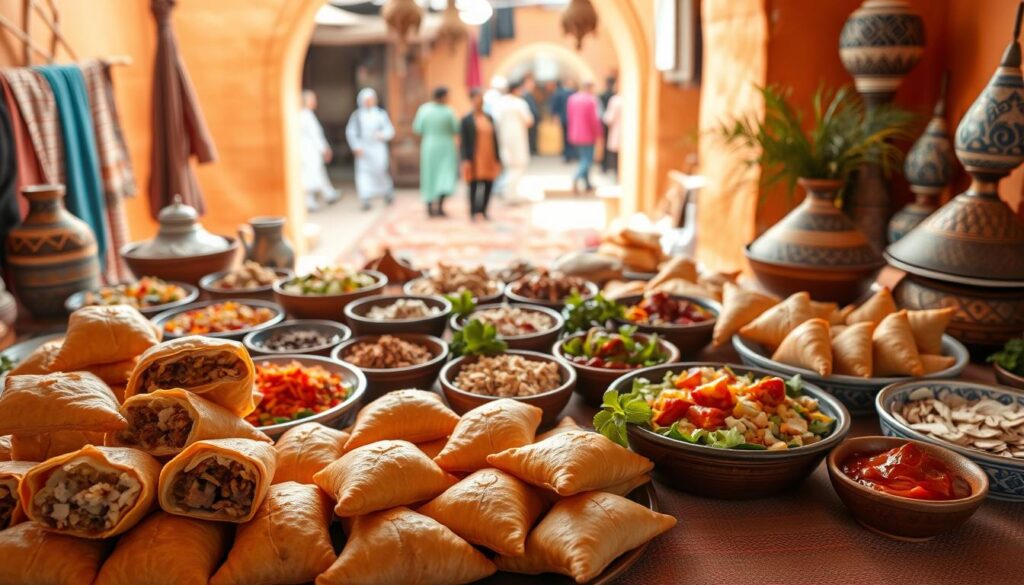
Briouat are perfect for any craving, whether sweet or savory. Their crispy filo dough and diverse fillings make them a must-try. They’re sure to satisfy your taste buds and leave you craving more.
Tips for Perfect Briouat
To make Moroccan briouat, follow an easy recipe and cooking tutorial. North African cuisine is famous for its rich flavors and detailed preparation. With practice, you can make delicious briouat that will wow your family and friends.
When making briouat, avoid common mistakes like overfilling or frying at the wrong temperature. The best frying temperature is between 350°F to 375°F (175°C to 190°C). Each batch takes 2-3 minutes to fry. Use high-quality ingredients and follow a reliable cooking tutorial for the best results.
Briouats can be stored in an airtight container at room temperature for up to 3 days. You can also freeze uncooked briouats for up to 2 months. When reheating, follow the instructions carefully to keep the briouat fresh and flavorful. By following these tips, you’ll make perfect briouat that will delight everyone.
Remember to use the right techniques for assembling and baking the pastries. Also, try different fillings and spices to create unique flavors. With patience and practice, you’ll master making delicious briouat that will be a favorite in your North African cuisine collection.
Sip on the Fragrant Delight of Moroccan Mint Tea
Popular Occasions for Briouat
Briouat is a key part of traditional Moroccan cuisine. It’s often enjoyed at holiday celebrations, family gatherings, and special events. This savory pastry is also a favorite in Moroccan restaurants as a starter.
In Morocco, briouat is a must-have during Ramadan. It’s also popular at weddings and Eid al-Fitr celebrations. The deep-fried version is a hit, filled with meat, cheese, and vegetables. Phyllo dough makes it easy to shape into triangles or cigars.
Some popular occasions for serving briouat include:
- Holiday celebrations, such as Ramadan and Eid al-Fitr
- Family gatherings, such as weddings and special events
- Special events, such as cultural festivals and street food markets
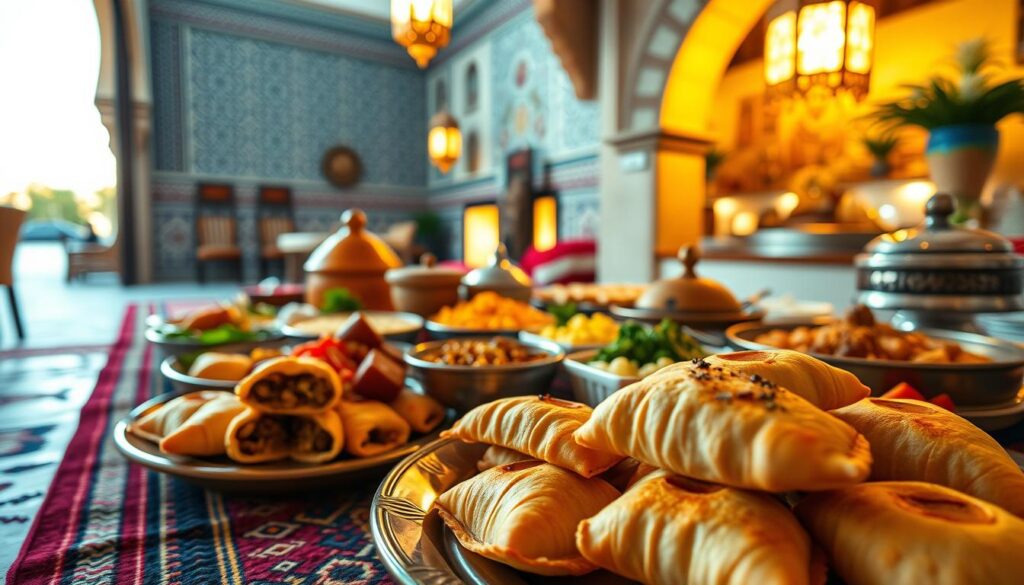
Briouat holds a special place in Moroccan culinary traditions. It’s served with other Eid desserts like crème caramel and kanafeh. Its triangular shape is a favorite for festive occasions, preferred by about 75% of households.
Nutritional Information
Exploring Moroccan Briouat means looking at its nutritional value. It’s great for those seeking an easy recipe that fits their diet. As part of North African cuisine, Briouat can be a healthy snack with the right ingredients.
The crispy filo dough in Briouat adds a nice crunch without too much oil. Fillings like almonds provide healthy fats, protein, and fiber. To make it healthier, bake instead of fry and choose nutrient-rich fillings.
- Calories: About 200-300 per serving, based on filling and cooking.
- Fat: Mostly from nuts and olive oil.
- Carbohydrates: From filo dough and some fillings’ sugars.
- Protein: From nuts, seeds, and sometimes meat or cheese.
Knowing Briouat’s nutritional content helps you enjoy it while keeping your diet balanced. It’s perfect for those looking for an easy recipe or wanting to try crispy filo dough and other ingredients. Briouat can be a tasty and nutritious part of your meals.
Where to Find Authentic Briouat
Exploring traditional Moroccan cuisine, you might wonder where to find real briouat. These savory pastries are a big deal in Morocco and are loved worldwide. To try the authentic taste, check out local Moroccan restaurants that focus on traditional dishes.
You can also find them at specialty food markets. These places sell a variety of Moroccan treats, including savory pastries and other appetizers.
For a deeper dive, look for cooking classes on traditional Moroccan food. These classes often take you to local souks. There, you’ll learn about important ingredients and cooking methods. For more info on traditional Moroccan briouat and other dishes, visit marocmama.com.
Top spots for authentic briouat include Marrakech, Fez, and Essaouira. These places offer a wide range of food experiences, from street food to fancy dining. Morocco is a great place for food lovers and travelers, with its rich food culture and friendly people.
Cooking Equipment You’ll Need
To make delicious Moroccan briouat, you’ll need the right cooking equipment. This includes essential utensils and baking dishes. They help you achieve the perfect flaky pastry and flavorful filling. For North African cuisine, having the right tools is key for a successful dish.
In a cooking tutorial for briouat, you’ll often see a list of necessary equipment. This includes a pastry brush, a sharp knife, and a baking sheet. These tools help you prepare the phyllo dough, fill the briouat, and bake them to perfection. For an authentic North African cuisine experience, consider investing in a tagine or a traditional Moroccan baking dish.
Here are some essential utensils and baking dishes you’ll need to get started:
- Pastry brush
- Sharp knife
- Baking sheet
- Tagine or traditional Moroccan baking dish
- Mixing bowls and utensils
With these essential tools and a little practice, you’ll be well on your way to creating delicious Moroccan briouat. This easy recipe is a great way to explore North African cuisine. It will impress your friends and family.
Briouat vs. Other Pastries
Exploring traditional Moroccan cuisine means looking at briouat alongside other pastries. Briouat is special because it can be sweet or savory. It’s filled with things like minced meat, chicken, fish, or veggies, all wrapped in crispy filo dough.
Other Moroccan pastries, like chebakia, are deep-fried and honey-soaked. Harira soup is a Ramadan favorite. Briouat stands out with its flaky texture and many fillings.
To dive deeper into briouat and other Moroccan pastries, check out this website. It has recipes and tips for cooking.
Here are some main differences between briouat and other pastries:
- Fillings: Briouat can have meat, cheese, and herbs, unlike some other pastries.
- Texture: Its crispy filo dough makes briouat unique.
- Preparation: Briouat can be sweet or savory, making it versatile.
In summary, briouat is a tasty pastry with a crispy texture and many fillings. It’s a great choice for exploring Moroccan cuisine or trying something new.
Conclusion
Moroccan briouat are a delightful pastry that offer a unique culinary experience. They have flaky phyllo dough and aromatic fillings. These bite-sized delights are a true delight for the senses.
Whether you try an easy recipe at home or explore the cooking tutorial for a more in-depth approach, briouat are sure to transport you to the vibrant North African cuisine of Morocco.
With the key insights you’ve gained, your next step is to immerse yourself in the world of briouat. Gather the necessary equipment, source the freshest ingredients, and let your culinary creativity shine. Experiment with different fillings, from sweet almond paste to savory meat and vegetable combinations, to find your personal favorite.
Remember, the joy of briouat lies in the process as much as the final product.
As you savor each crisp, flavorful bite, let the aromas and textures transport you to the bustling markets and family gatherings of Morocco. Briouat are not just a pastry, but a rich tapestry of cultural heritage and culinary artistry. Embrace this delectable journey and share your briouat creations with loved ones, creating lasting memories and sparking meaningful conversations about the wonders of Moroccan cuisine.